Discover how proper equipment protects your home's exterior during power washing with Dave’s Pressure Washing. Get a free estimate today!
Outdoor surfaces collect dust, pollen, moisture, and grime throughout the year. Without regular care, this buildup can dull your home’s appearance and make exterior maintenance more difficult. Hiring power washing companies Inman Mills, SC can help homeowners remove buildup using suitable cleaning methods. Understanding how exterior cleaning works helps you maintain your property, avoid preventable damage, and identify areas that need attention. Every outdoor material reacts differently to water pressure and cleaning solutions. Choosing a suitable technique for each surface helps prevent unnecessary wear while keeping your home’s exterior clean and well-maintained.
Driveways, sidewalks, patios, and exterior walls collect dirt through everyday exposure. Mud, pollen, and organic growth can gradually affect their appearance. Leaving these contaminants for long periods may make cleaning more challenging.
A professional should assess the surface before choosing the appropriate technique. Concrete can generally tolerate more pressure than delicate siding, painted wood, or certain masonry materials. Excessive pressure can damage finishes, leave marks, or force water behind siding.
Routine maintenance also makes it easier to spot cracks, loose materials, and other visible problems. Homeowners should mention existing damage before cleaning begins so vulnerable areas receive appropriate attention.
Different exterior materials require different cleaning methods. Vinyl siding, wooden decks, painted surfaces, and brick can respond differently to water pressure and cleaning solutions. When comparing gutter cleaning services near me Inman Mills, SC, homeowners should also consider whether the provider understands how exterior cleaning and proper water drainage work together.
Before starting, a cleaner should consider the material, its condition, and the type of buildup present. Delicate siding may need a gentler approach, while wood requires careful treatment to prevent splintering or surface damage.
Point out peeling paint, loose boards, damaged caulking, and areas where water enters the building. These details help determine whether cleaning is appropriate or repairs should come first.
Protecting nearby plants, outdoor furniture, electrical components, and vulnerable fixtures is equally important. Moving loose belongings and closing windows before the appointment can reduce avoidable problems.
Shaded patios, steps, and walkways can develop algae or other organic growth when moisture persists. These deposits may make surfaces slippery, particularly after rainfall. Homeowners should also pay attention to blocked gutters, as overflowing rainwater can contribute to persistent dampness around outdoor areas.
Removing suitable buildup can improve cleanliness and help reduce one potential slipping hazard. However, washing alone cannot guarantee that a surface will remain slip-resistant. Poor drainage, persistent shade, and recurring moisture may cause growth to return.
Ask the cleaner how the affected area will be treated and whether drainage problems need attention. Keep children and pets away from active work areas until cleaning is complete and the surfaces are safe to use.
Gutters direct rainwater away from the roofline, walls, and foundation. When leaves and debris block the system, water may overflow, stain exterior walls, erode landscaping, or contribute to moisture problems around the building. Regular power washing Inman Mills, SC can help remove exterior dirt and stains, while keeping gutters clear helps rainwater drain properly.
Homeowners should ask whether the service includes debris removal, checking downspout flow, and identifying visible damage. Washing the outside of a gutter is not the same as clearing its interior.
Avoid climbing unstable ladders or reaching over roof edges without appropriate safety equipment. A professional assessment can help identify blockages and visible concerns that require attention.
Remember that cleaning cannot repair damaged gutters or correct poor drainage. If water continues overflowing afterward, the system may need repairs or adjustments.
Effective exterior maintenance depends on selecting the appropriate method rather than applying the highest possible pressure. Before arranging a cleaning service, ask how the process will be adapted to your property’s surfaces.
Discuss these important details before approving the work:
Not every stain can be removed through exterior cleaning. Some marks result from faded finishes, surface oxidation, or long-term wear. Identifying the source of the discoloration helps determine the safest treatment for each material.
Maintaining your home’s exterior involves more than improving its appearance. Appropriate cleaning can remove accumulated grime, address certain slippery deposits, and help reveal maintenance concerns. Dave’s Pressure Washing helps homeowners maintain exterior surfaces through cleaning services suited to their needs.
Ready to refresh your property’s exterior? Contact Dave’s Pressure Washing to discuss your project and arrange a suitable service.
Yes. Excessive pressure or improper technique can damage siding, strip finishes, and force water behind exterior materials. The method should match the surface's material and condition.
There is no universal schedule. Consider visible dirt, organic growth, moisture exposure, nearby trees, and the condition of each surface before arranging cleaning.
Clear gutters help direct rainwater away from the building, reducing risks associated with overflowing water. However, cleaning cannot correct damaged gutters or poor grading.
Small, accessible areas may be suitable for careful DIY cleaning. Delicate materials, slippery surfaces, and elevated areas require additional caution because improper techniques can cause damage or injury.
Ask about the cleaning method, surface protection, preparation, expected results, and total cost. Explain existing damage so the provider can determine whether the surface is suitable for cleaning.
Discover how proper equipment protects your home's exterior during power washing with Dave’s Pressure Washing. Get a free estimate today!
Professional window cleaning Inman Mills, SC can remove surface buildup and help reveal what is happening on the glass.
Professional window cleaning Inman Mills, SC can remove surface buildup and help reveal what is happening on the glass.
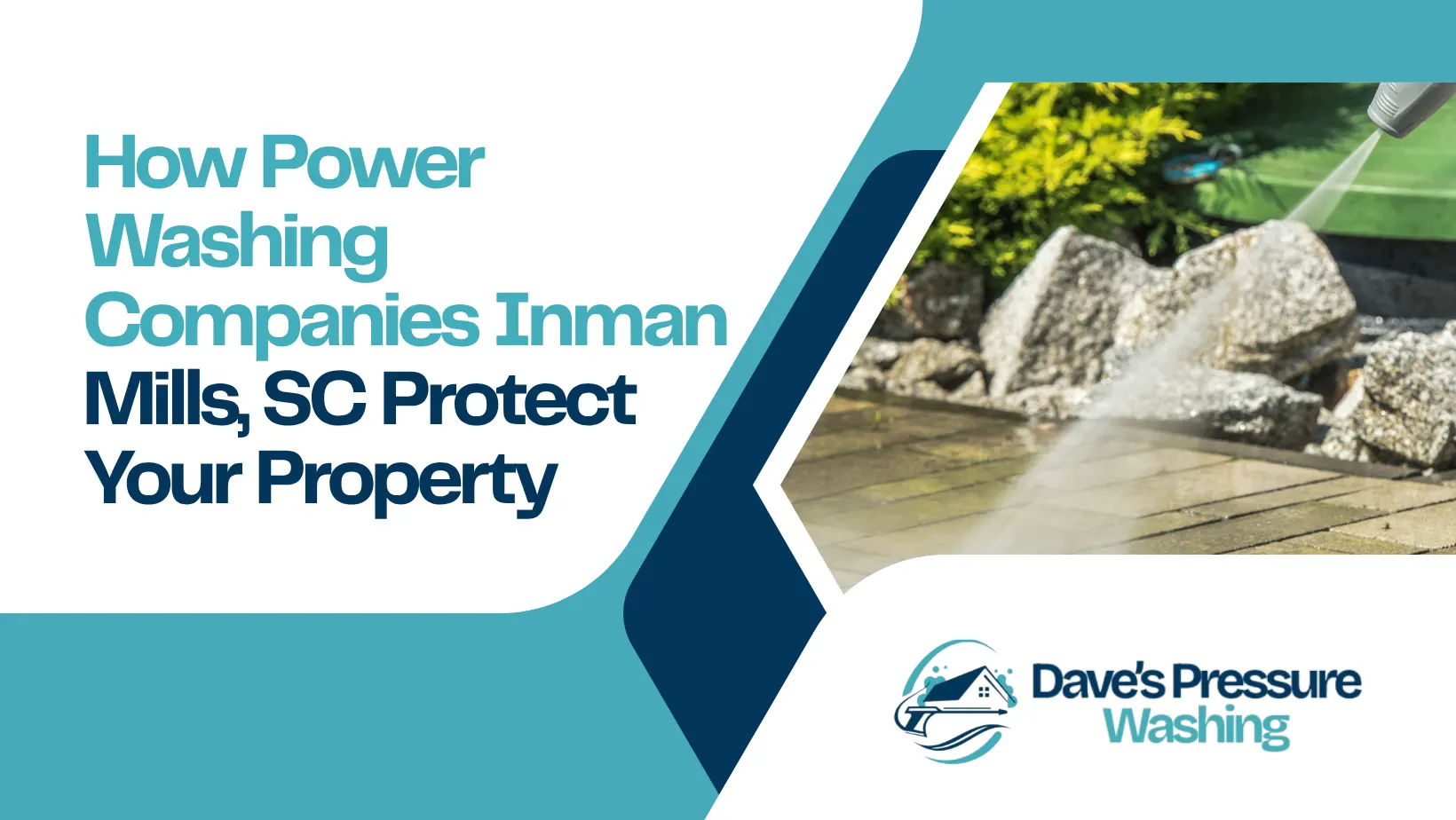
Learn how power washing companies Inman Mills, SC protect exterior surfaces from dirt and buildup. Contact Dave’s Pressure Washing today!
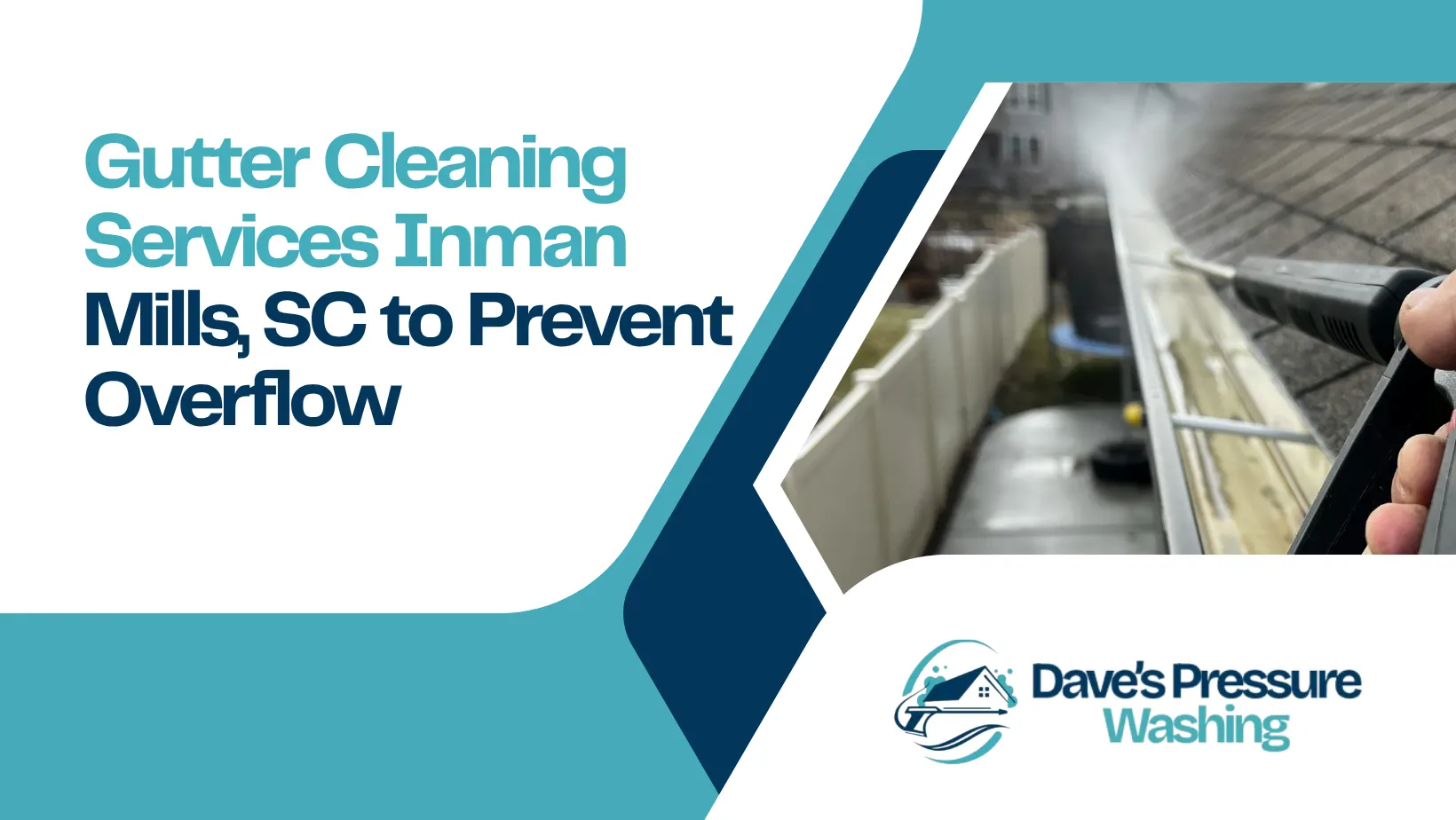
Prevent gutter overflow with gutter cleaning services near Inman Mills, SC. Contact Dave's Pressure Washing today to request your estimate!
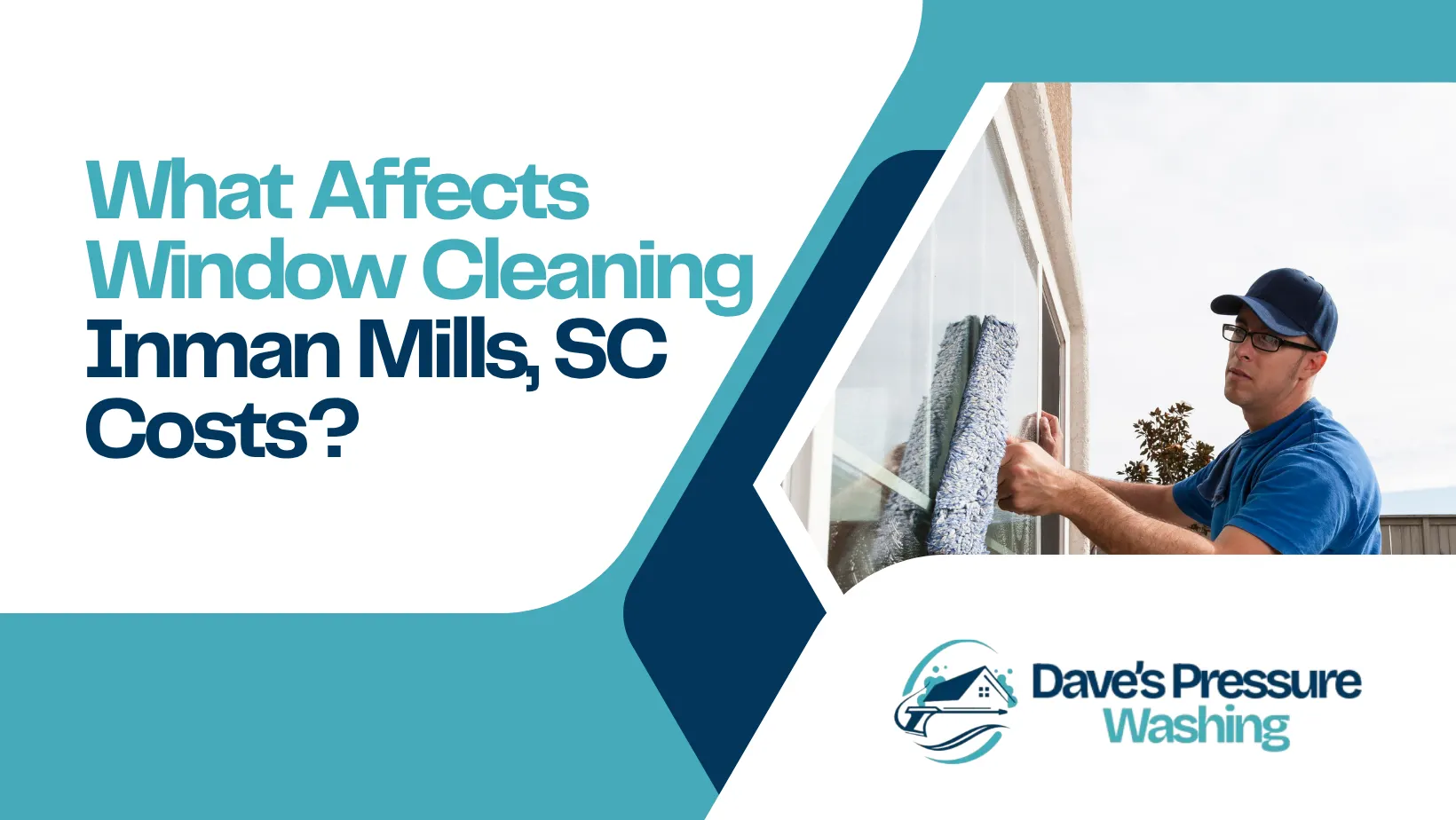
Learn what affects window cleaning costs in Inman Mills, SC, from window size to accessibility. Contact Dave’s Pressure Washing for...
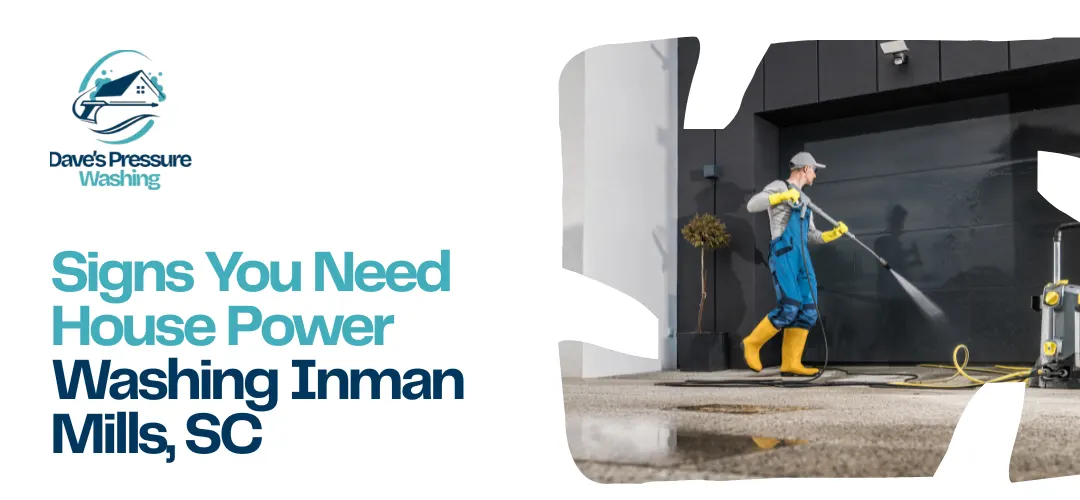
Learn the signs your home needs power washing in Inman Mills, SC. Dave’s Pressure Washing removes dirt, algae, mildew, and...
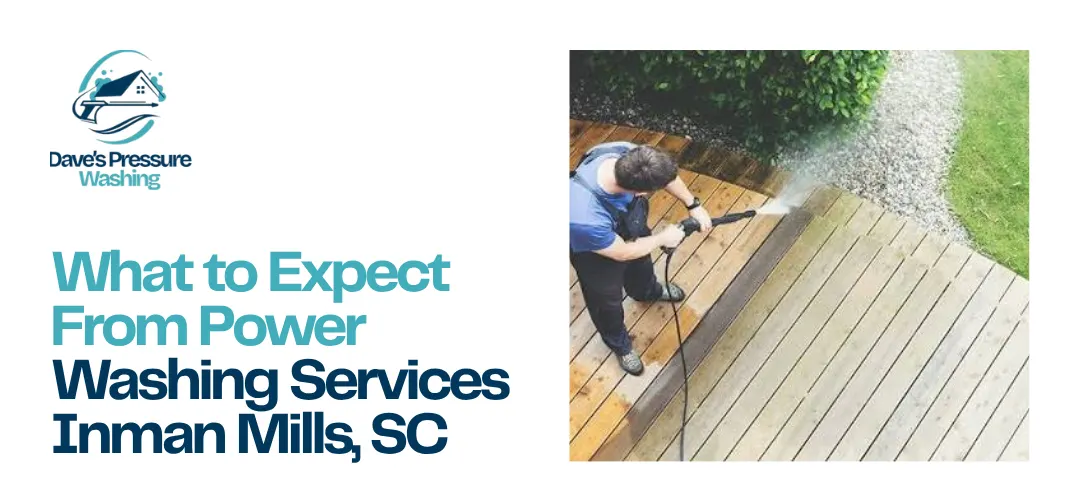
If you are considering power washing services Inman Mills, SC, understanding the process can help you make a more informed...
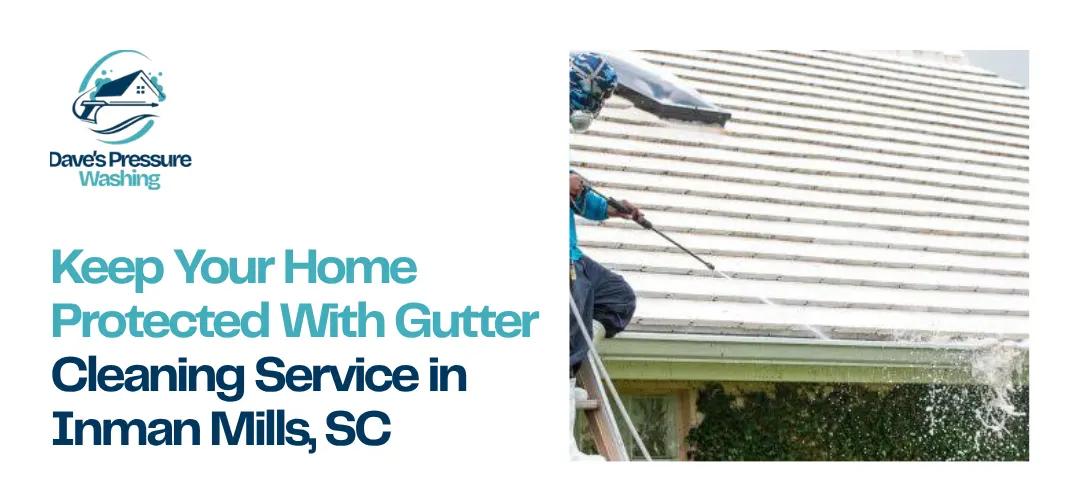
A professional gutter cleaning service Inman Mills, SC can help keep water moving away from your home.
